The 11th Annual Scientific Conference of the Faculty of Mass Communication Explores Media Ethics in the Age of Technology
- Date December 1, 2025
- Categories Mass Communication
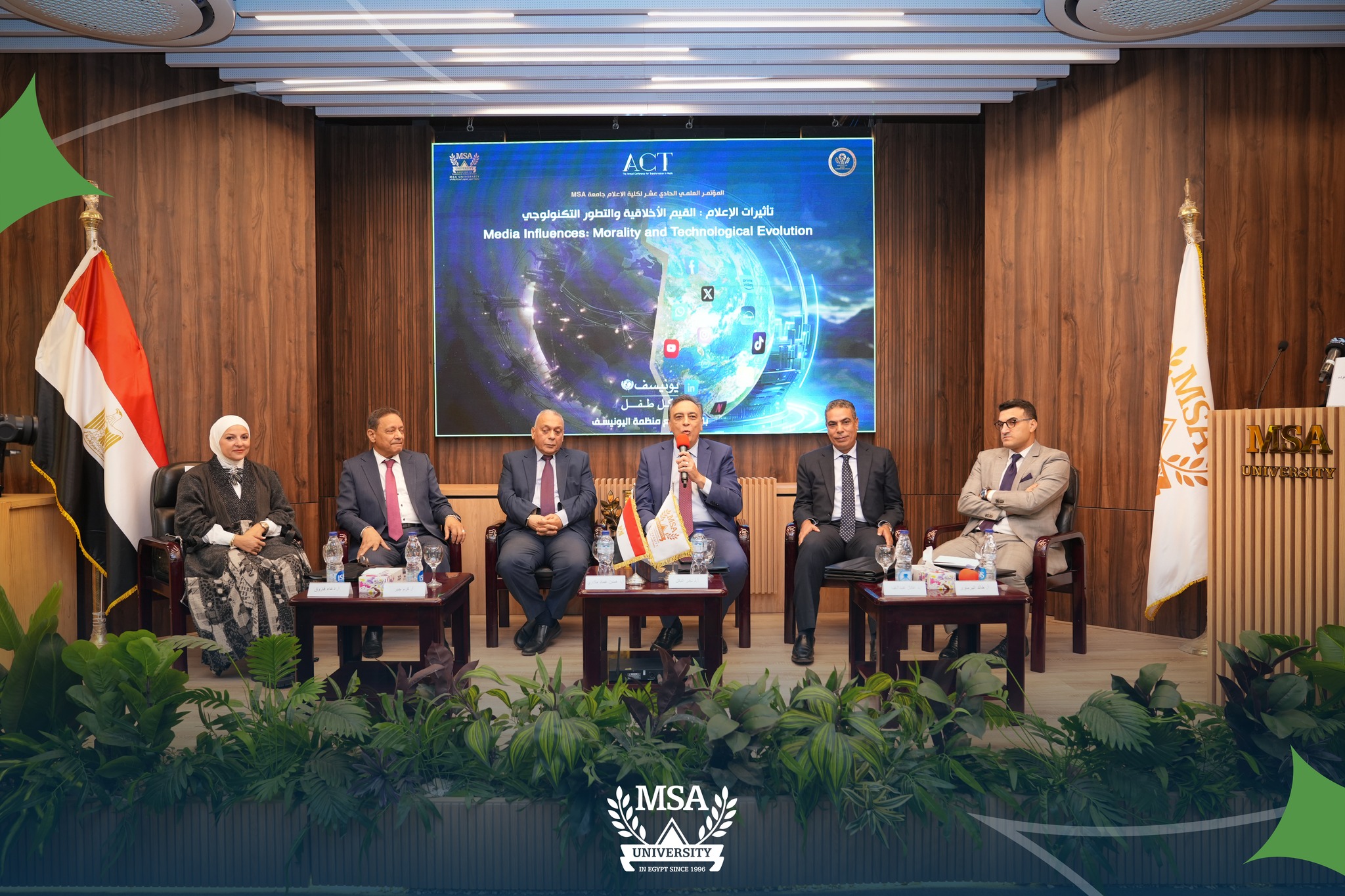
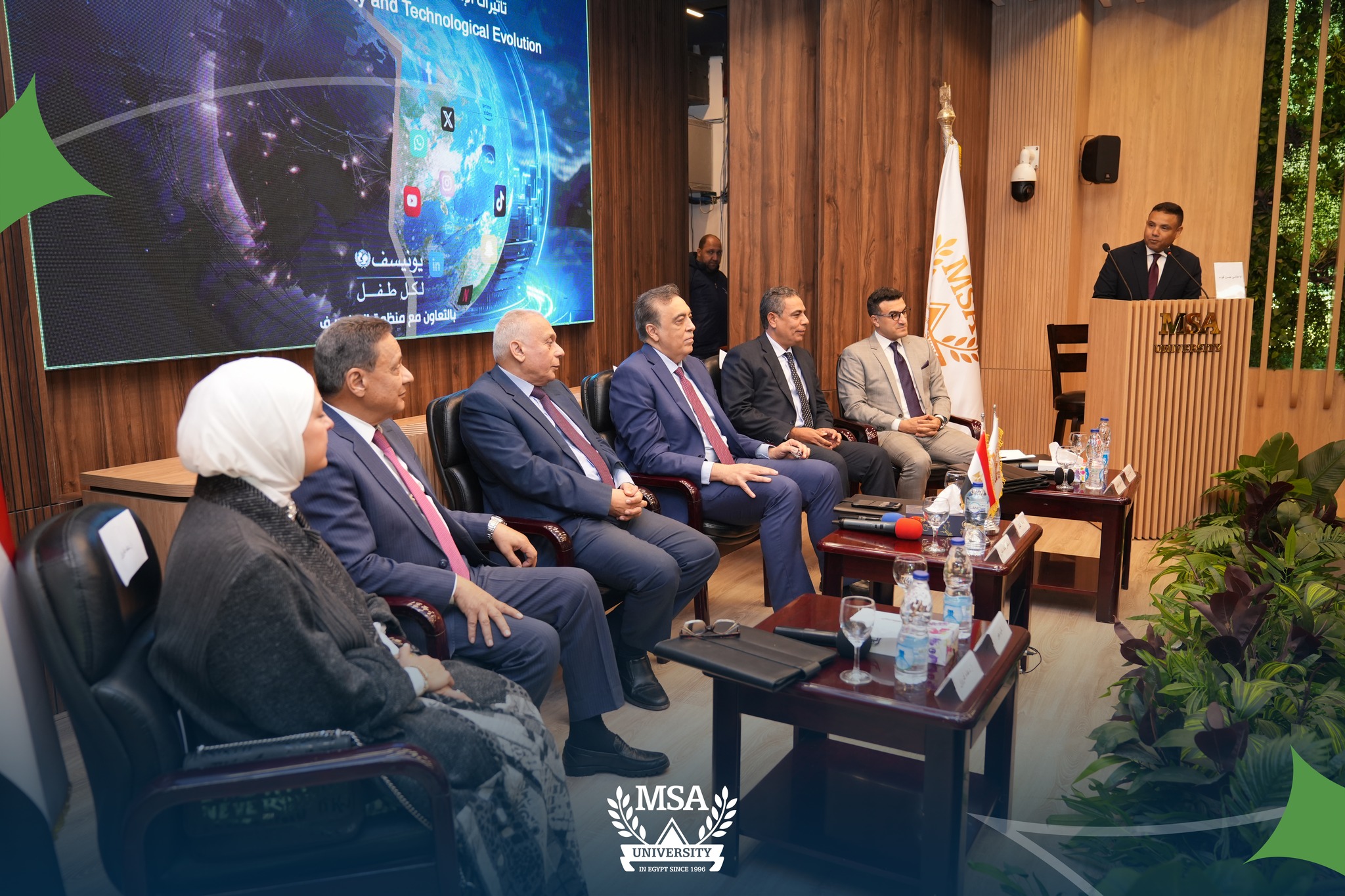
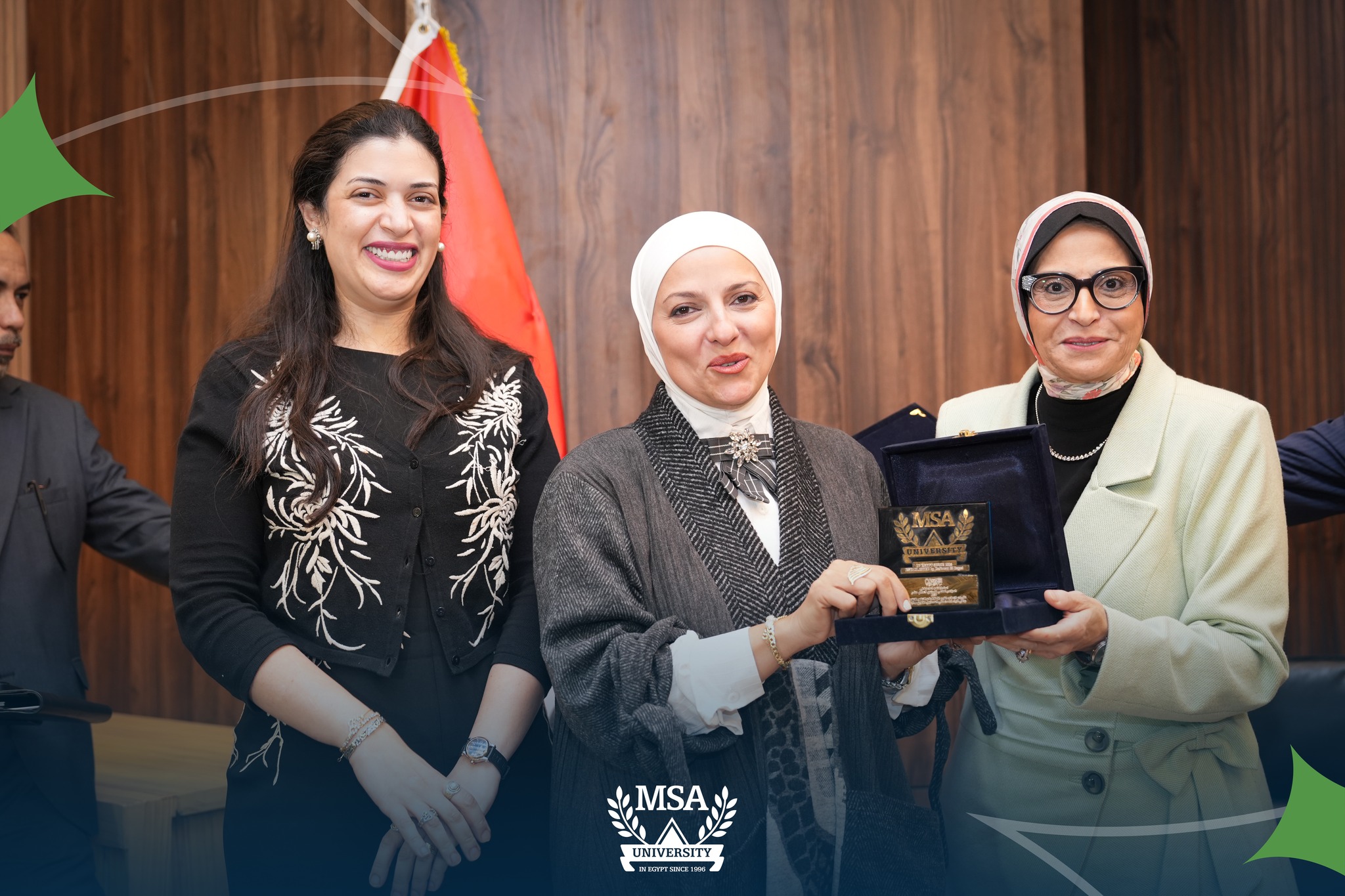
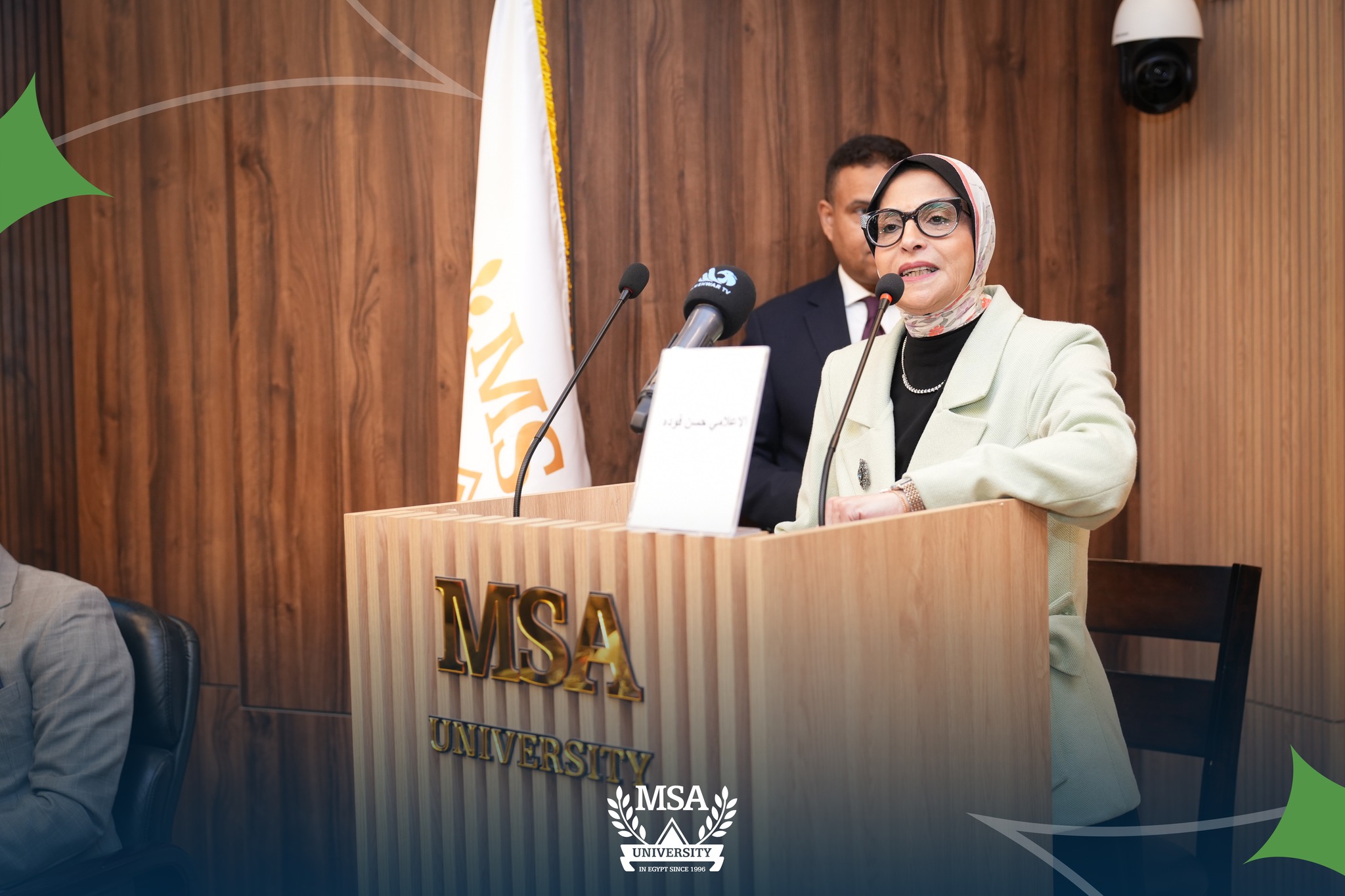
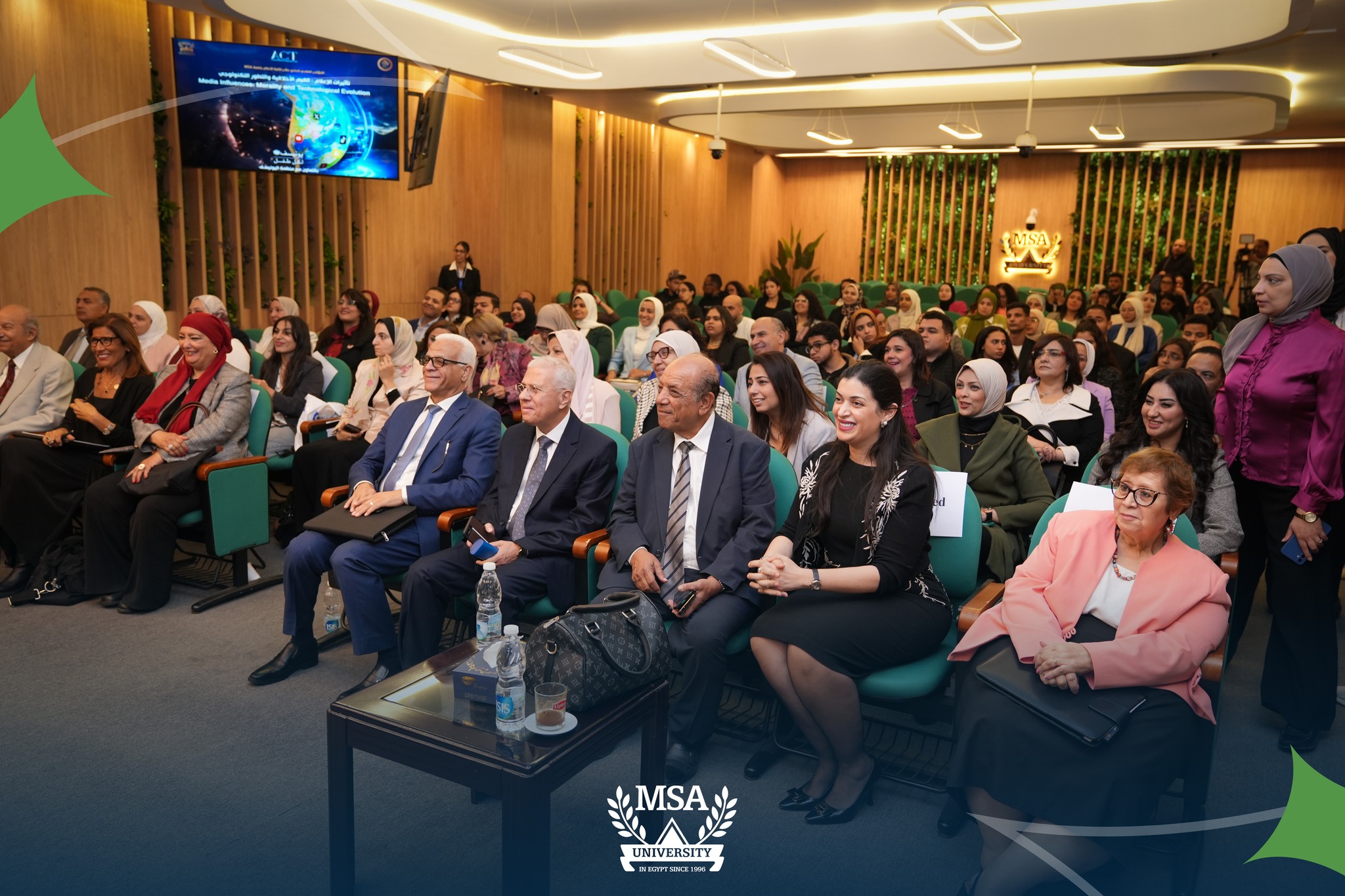
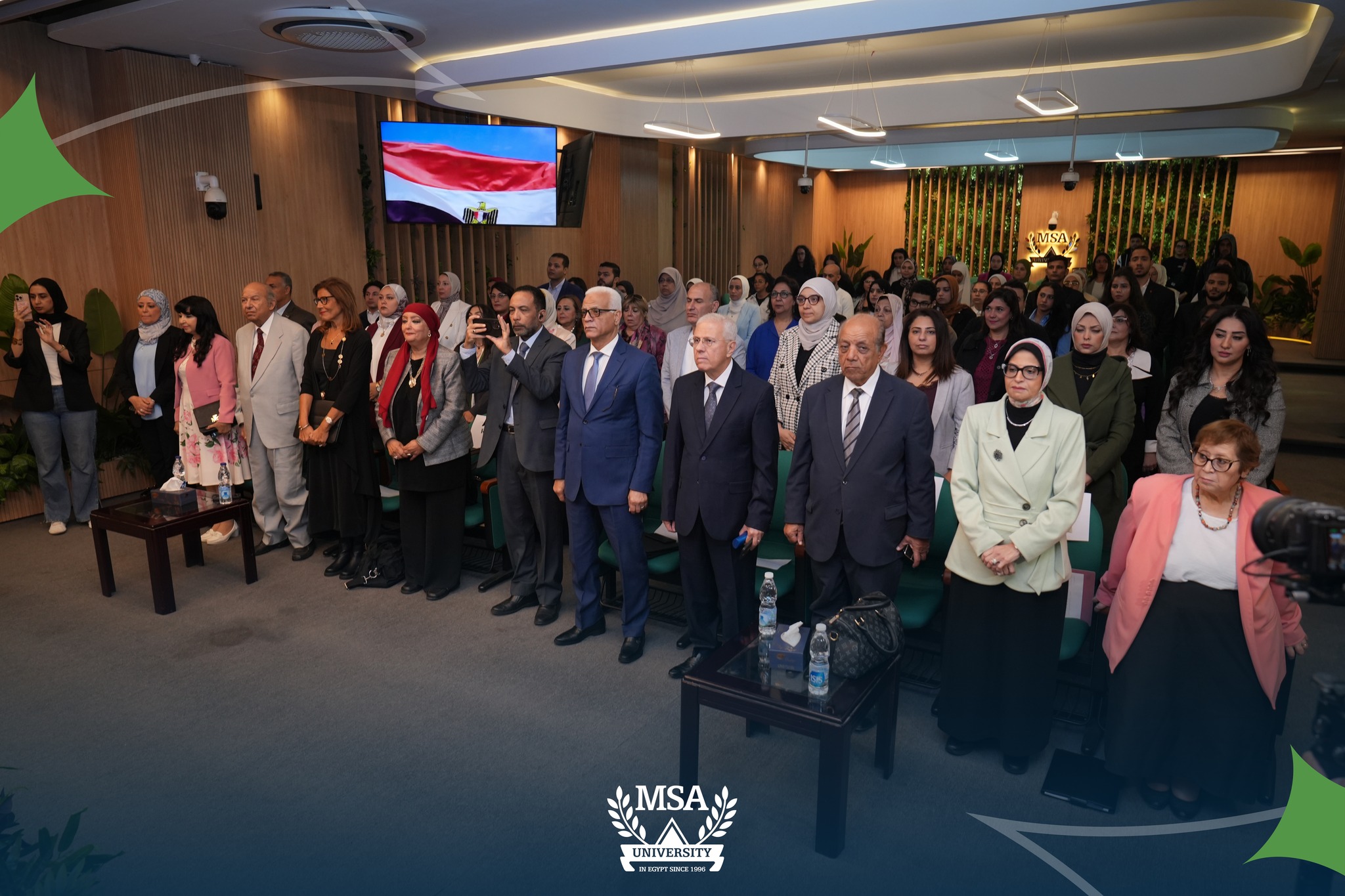
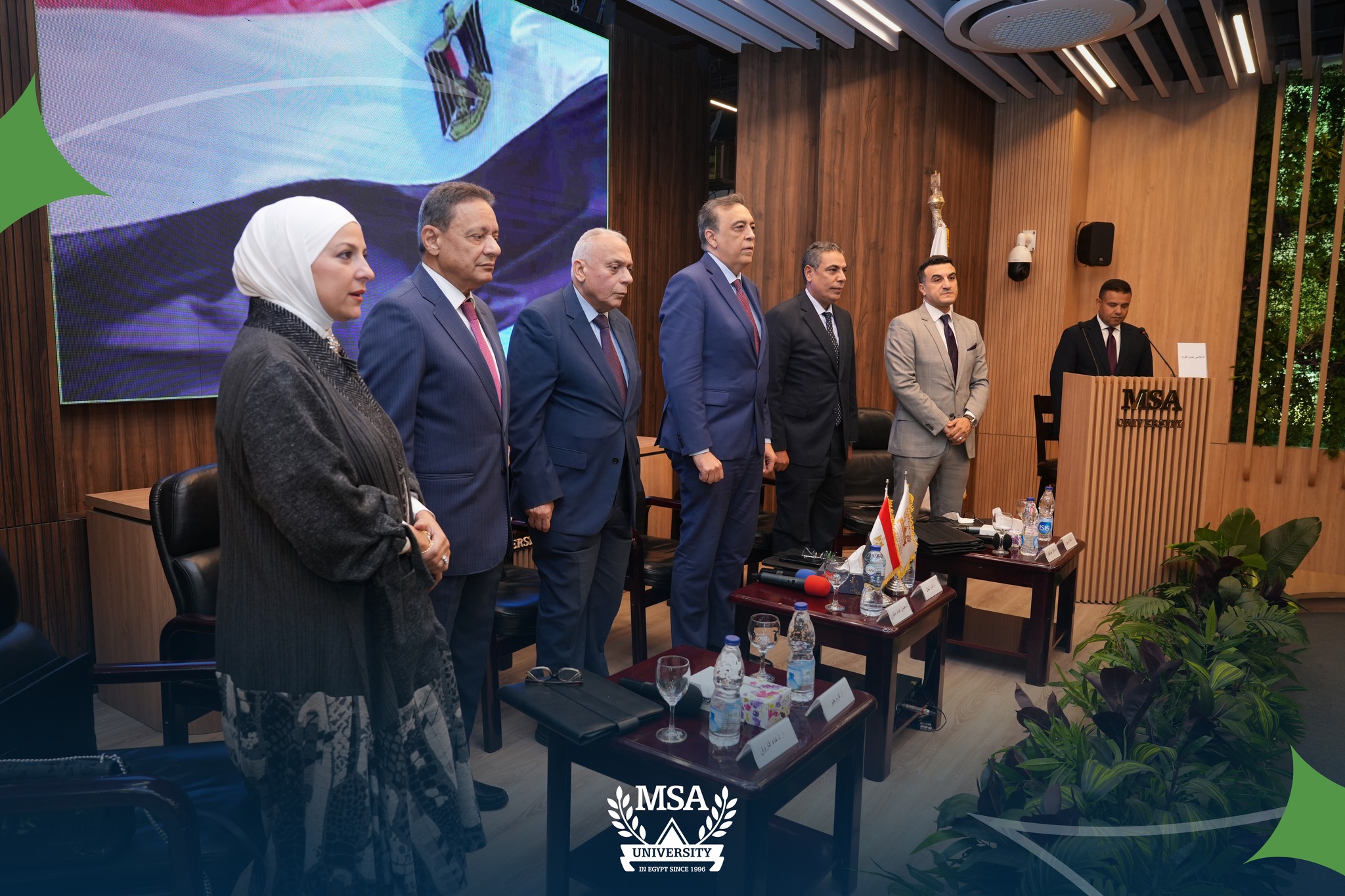
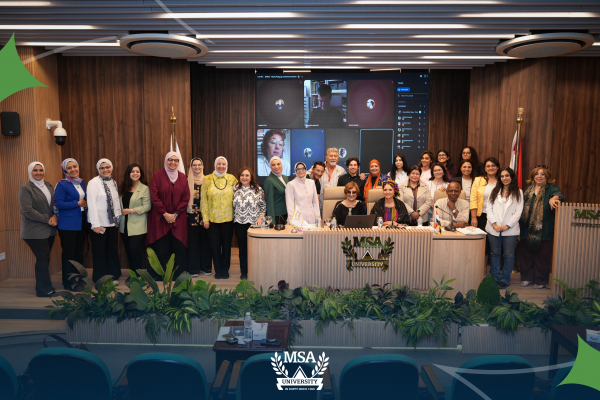
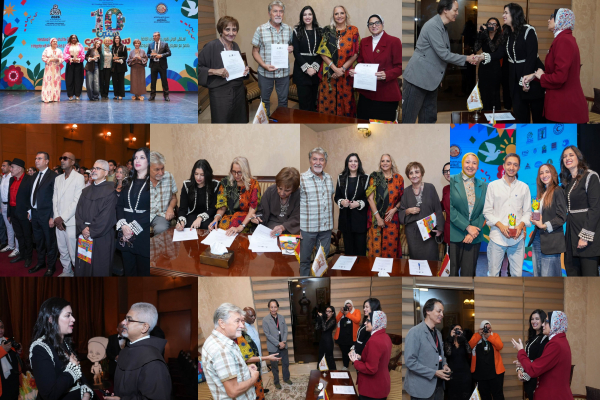
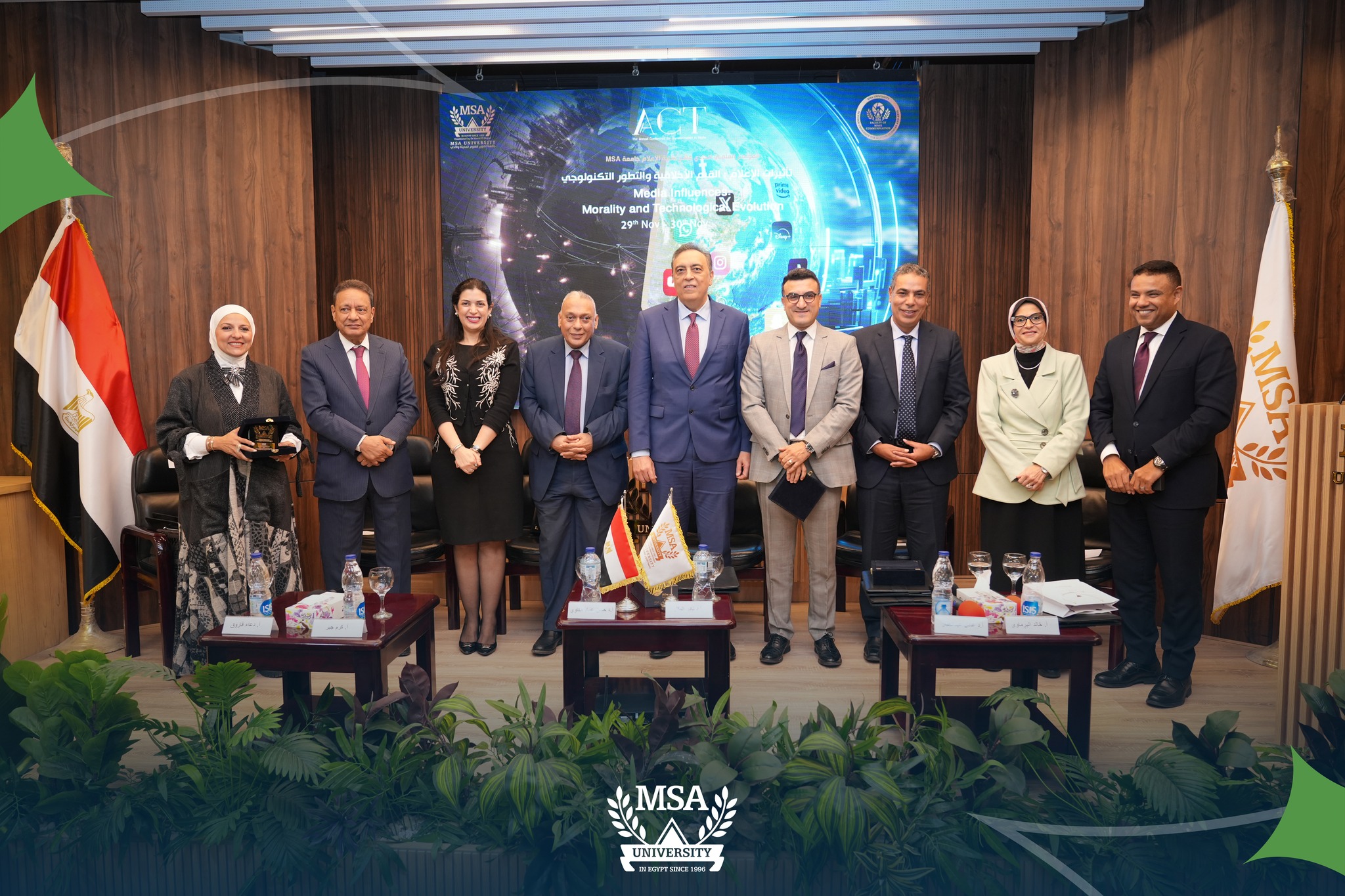
The Faculty of Mass Communication at October University for Modern Sciences and Arts (MSA) inaugurated the activities of its 11th Scientific Conference, held under the title “Media Impacts: Ethical Values and Technological Development”, under the presidency of Prof. Dr. Amany Fahmy, Dean of the Faculty of Mass Communication, with the presence of Prof. Dr. Nader El Bokle, The President of MSA University, Eng. Engy Mansour, Director of the Human Resources Department, whose attendance reflected the university’s comprehensive institutional support for the conference and its outcomes. Also the conference coordinated by Dr. Reham Samy, Conference Rapporteur, alongside the presence of a wide spectrum of academics, experts, and media professionals. The conference reflected the growing importance of this annual academic platform as a key space for dialogue and knowledge exchange on the future of media in Egypt and the Arab world.
Distinguished Opening Session with Prominent Media Figures
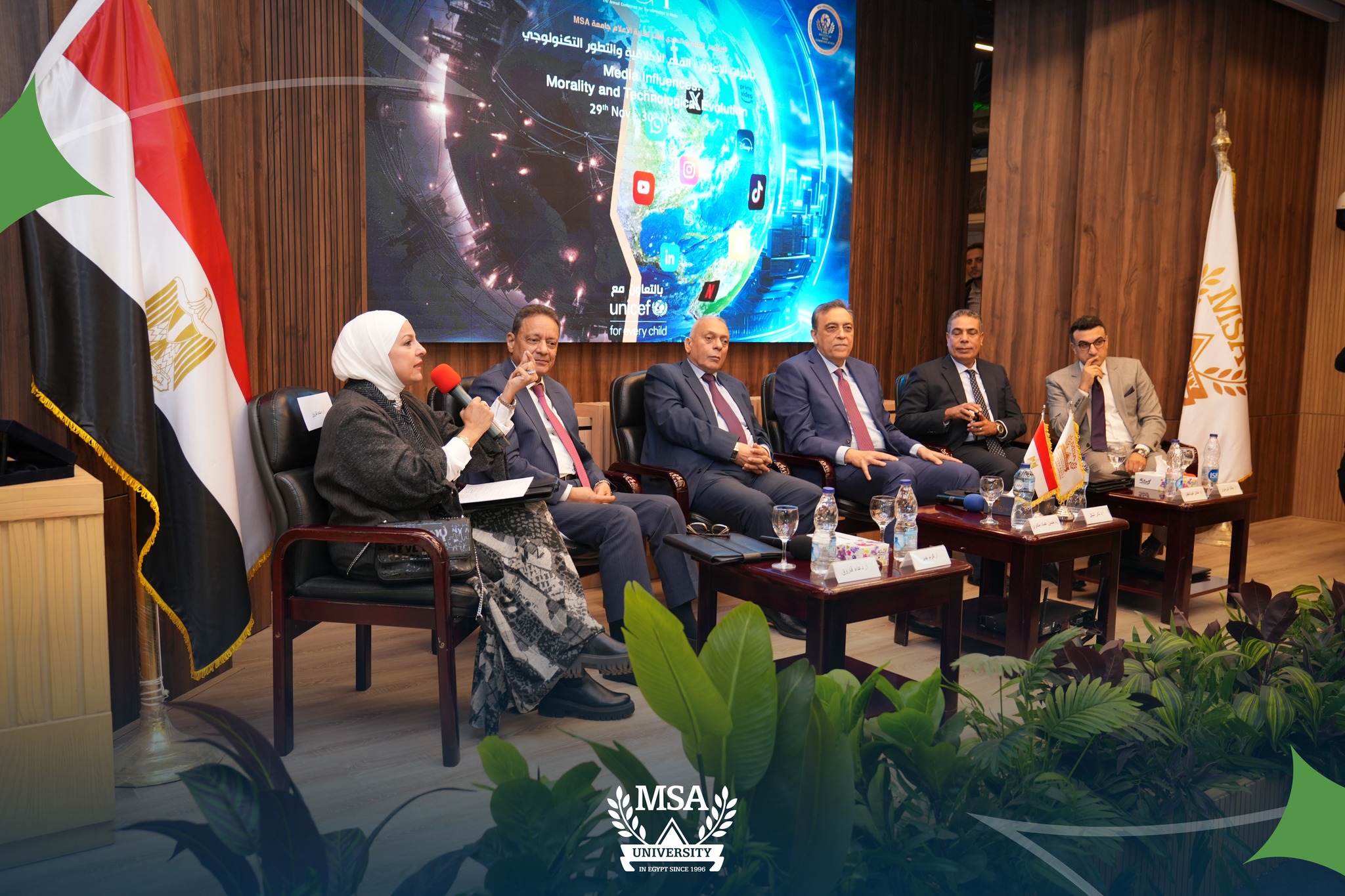
The first day opened with a high-profile inaugural session featuring an elite group of national media leaders, including:
Prof. Dr. Adel Abdel Ghaffar, Official Spokesperson of the Ministry of Higher Education
Prof. Dr. Hassan Emad Mekawey, Head of the Media Sector Committee at the Supreme Council of Universities
Mr. Karam Gabr, Former Head of the Supreme Council for Media Regulation
Doaa Farouk, TV Host at Al-Nahar Network
Mr. Khaled El-Barmawy, Digital Media Expert
In their keynote remarks, speakers stressed the urgent need to reaffirm professional values amid the ongoing digital revolution. They also highlighted the deep transformations driven by artificial intelligence and the dominance of social media platforms, in addition to the mounting challenges facing media institutions in this era of overwhelming technology. The speakers emphasized the pivotal role universities play in preparing qualified graduates capable of navigating the rapidly changing media landscape.
Day One: Ethics and Technology at the Core of Discussion
Following the opening session, the conference activities continued through specialized scientific sessions tackling the intersection of ethics and technology. Topics included:
- The impact of drama and entertainment on collective awareness
- The influence of modern streaming platforms on youth orientations
- Artificial intelligence in Egyptian drama and its impact on audience perception
- The role of visual content in addressing sensitive social issues such as child protection and harassment
- The growing effect of virtual influencers on consumer behavior and purchasing decisions
The first day also featured an extensive roundtable discussion that brought together deans of media faculties and industry experts to address the necessity of formulating a new Media Code of Ethics compatible with the digital communication environment. Discussions covered the regulation of digital news content, strengthening fact-checking culture, and developing academic curricula to align with ethical and professional requirements imposed by digital transformation.
The diversity of participants between university professors and digital transformation experts enriched the discussions with both academic and practical perspectives, reflecting the Faculty’s commitment to delivering integrated scientific dialogue on media ethics in the digital age.
Day Two: Digital Media, Ethics, and Practical Applications
The conference concluded its second and final day with an intensive program of scientific panels and specialized discussions focusing on:
- Digital media and value formation
- Marketing between creativity and ethical responsibility in the age of artificial intelligence
- Combating misinformation and promoting digital media literacy
- Advertising ethics and the impact of AI algorithms on digital advertising standards
The conference was held in cooperation with UNICEF, and with the participation of the Akhbar Al Youm Training and Consultancy Center, reflecting strong integration between academic and professional institutions. The sessions were moderated by distinguished professors from several Egyptian universities, adding academic depth to the discussions.
Workshops Bridging Theory and Practice
Alongside the scientific sessions, a series of highly interactive training workshops were conducted, including:
“Click Safely and Think Creatively”
Presented by Walaa Farouk, in cooperation with UNICEF, focusing on digital safety and responsible creative use of digital platforms.
“Artificial Intelligence and Ethics in Content Creation”
Presented by Mohamed Owais, addressing the ethical use of AI in media production with real-life applications.
“Digital Rights and Monetization”
Presented by Emad Moussa, discussing copyright protection, legal monetization strategies, and ethical digital content management.
“Building an Ethical Personal Brand in the Age of Media Influence”
Presented by Dr. Rania Shaaban, focusing on professional digital identity, responsible self-marketing, and online reputation management.
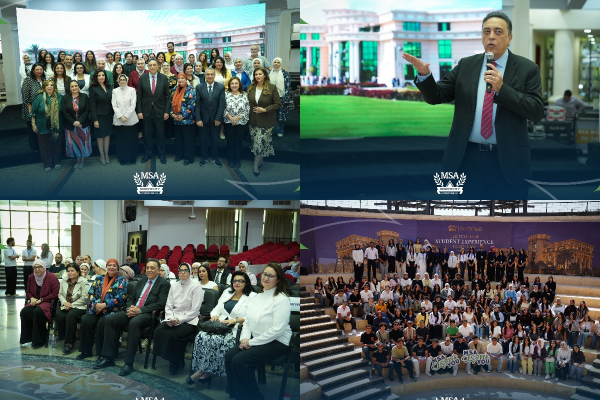
These workshops witnessed strong engagement from participants and provided hands-on practical skills that complemented the conference’s theoretical discussions.
In the closing session, speakers and participants unanimously stressed the urgent need to move forward with the formulation of a comprehensive and unified Media Code of Ethics that keeps pace with the rapid transformations of the digital and artificial intelligence era. The final recommendations emphasized:
- The necessity of integrating media ethics and digital responsibility as core components within media education curricula.
- Expanding national efforts to enhance media literacy and critical thinking skills, especially among youth, to enable them to distinguish between credible and misleading content.
- Establishing clear regulatory frameworks for digital platforms and AI-generated content to ensure transparency, credibility, and professional accountability.
- Supporting the production of ethical, value-driven digital content that serves societal development and preserves cultural identity.
- Strengthening partnerships between academic institutions, media organizations, and international bodies to reinforce responsible media practices and continuous professional development.
These outcomes reaffirm the role of the Faculty of Mass Communication at MSA University as a national platform for advancing dialogue on contemporary media challenges, proposing practical solutions that safeguard ethical media practice in today’s rapidly evolving technological environment.