
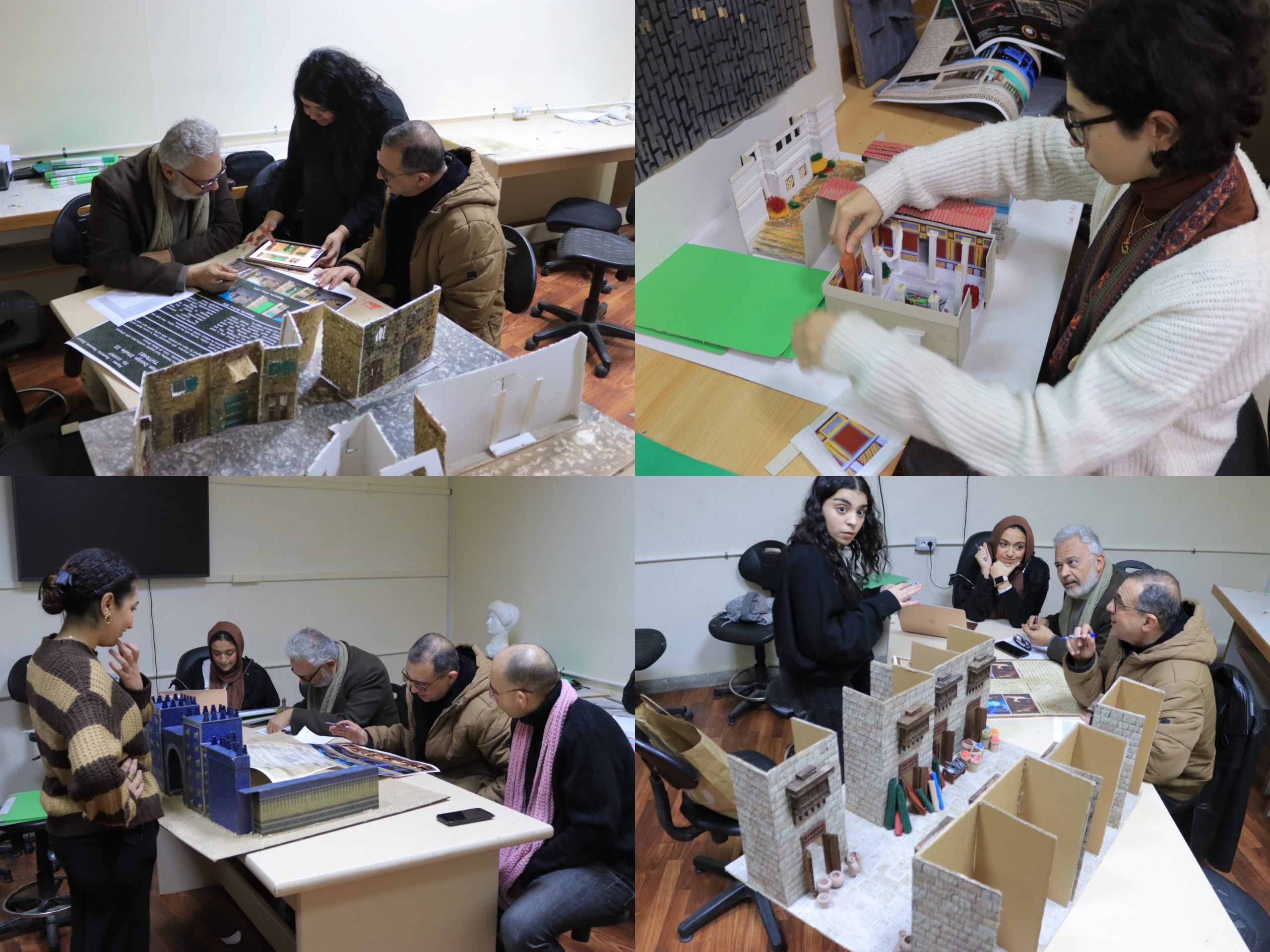
Cinema and Theater Students at MSA Launch the First Phase of Their Graduation Projects
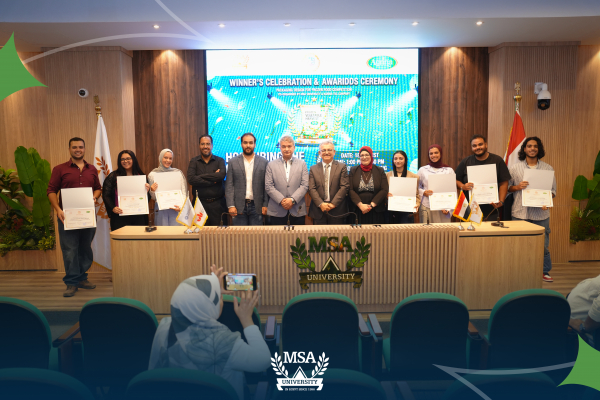
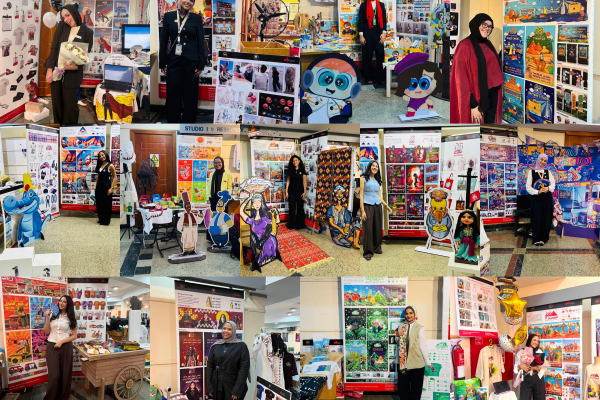
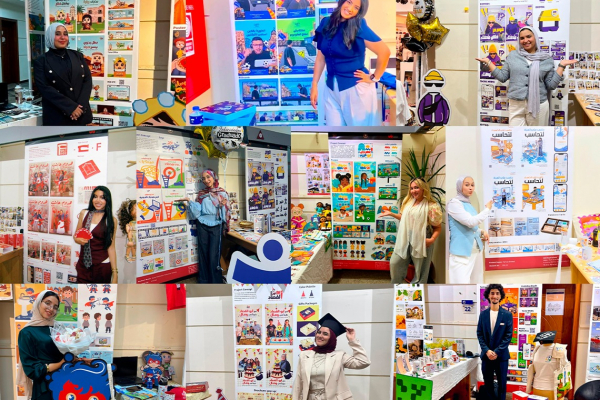
In the first phase of the graduation project during the first semester of this academic year, the Cinema and Theater Department at the Faculty of Arts and Design, October University for Modern Sciences and Arts (MSA) concentrated on a carefully curated selection of literary works approved by the department’s Scientific Council under the patronage of Prof. Dr. Tarek Saleh, Dean of the Faculty of Arts & Design.
These works were chosen to ensure diversity in both visual and intellectual approaches, encompassing dramatic literature from Egyptian and international sources. Notable examples include:
- Epic historical works: Gilgamesh
- Egyptian literature: The Lamp of Umm Hashim by Yahya Haqqi
- Fantasy literature: The City of Brass, inspired by One Thousand and One Nights
- Classic world literature: The Phantom of the Opera by French author Gaston Leroux
Students were encouraged to select the work that most inspired them, allowing each individual to develop a distinctive creative vision.
Throughout the semester, students adopted a structured research methodology that included consulting scientific references and reliable electronic sources, conducting field visits to the historic neighborhoods of Cairo, analyzing selected models from cinematic films, television series, and theatrical performances, as well as employing survey tools. These combined efforts contributed significantly to the development of a comprehensive artistic vision that integrates logical reasoning with visual and aesthetic sensitivity toward the literary text, thereby crystallizing clear ideas and concepts for each project.
Furthermore, students enjoyed complete freedom in choosing their preferred approach to designing scenes and characters, whether through a theatrical or cinematic lens, in alignment with their individual creative perspectives.
This phase constitutes the essential foundational step in completing the graduation project, during which students have formulated a set of preliminary ideas that will serve as the basis for further development and refinement in the second semester. We eagerly anticipate following the evolution of these ideas and their transformation into outstanding creative achievements.
In conclusion, we extend our sincere thanks and appreciation to the esteemed members of the jury committee for their valuable feedback and ongoing support of the students